The rewards of patience
Here’s a thought nugget from Thomas on where all the seemingly endless details of grammar can ultimately lead you, with the help of Sarah the Herrerasaurus!

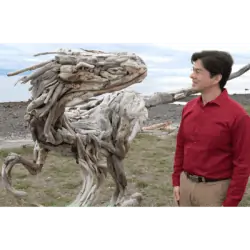
Here’s a thought nugget from Thomas on where all the seemingly endless details of grammar can ultimately lead you, with the help of Sarah the Herrerasaurus!
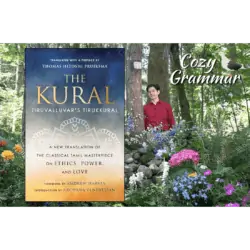
Thomas shares a verse from his new translation of the classical Tamil masterpiece on ethics, power, and love, The Kural: Tiruvalluvar’s Tirukkural, published by Beacon Press.
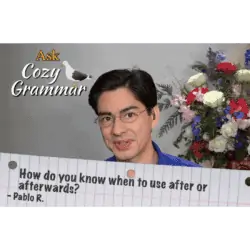
Pablo R. asks, “How do you know when to use after or afterwards?” Here’s a way to tell the difference between them and also the word afterward.
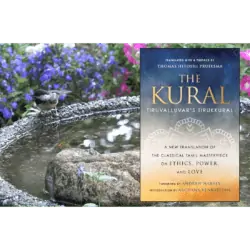
Thomas shares a verse from his new translation of the classical Tamil masterpiece on ethics, power, and love, The Kural: Tiruvalluvar’s Tirukkural, published by Beacon Press.
One of my favorite kinds of verbs are helping verbs (also known as auxiliary verbs). As the name suggests, helping verbs help—they help other verbs, known as principal verbs, to do their job.

Here’s a thought nugget from Thomas on why foundations are so important in language. If your foundation is sound, you can build any building your heart desires.
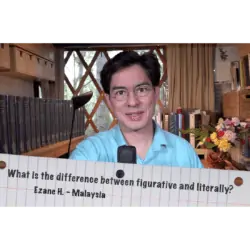
Ezane H. asks, “What is the difference between figurative and literally, metaphorically? Does literally also mean figuratively? How do you use it in a sentence?” Take a peek at this answer from Thomas

Sometimes people teach that you can’t end a sentence with a preposition in English, but as Thomas explains, this simply isn’t true. Here’s why!
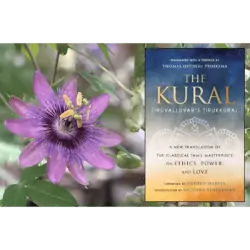
Thomas shares a verse from his new translation of the classical Tamil masterpiece on ethics, power, and love, The Kural: Tiruvalluvar’s Tirukkural, published by Beacon Press.
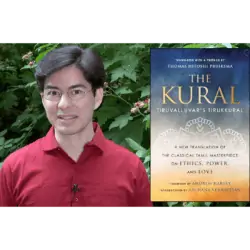
Thomas shares a verse from his new translation of the classical Tamil masterpiece on ethics, power, and love, The Kural: Tiruvalluvar’s Tirukkural, published by Beacon Press.

One of the most colorful parts of speech are adjectives. Here’s how Marie explains the three degrees of adjectives.

Thomas shares a verse from his new translation of the classical Tamil masterpiece on ethics, power, and love, The Kural: Tiruvalluvar’s Tirukkural, published by Beacon Press.

Here’s a thought nugget from Thomas on how sometimes what is hidden to us later becomes clear. Both experiences are essential to learning.

In the Intermediate Cozy Grammar Course, Level One, Marie and I explore a topic that may sound completely unfamiliar: inflection.

In the Basic Cozy Grammar Course, Marie and I help students explore the fundamentals of grammar: the eight parts of speech and how understanding them can enhance creativity.
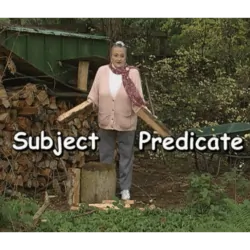
One of the keys to understanding the structure of a sentence is identifying subjects and predicates. But what are these things in the first place?